
Tarot is a mystical practice with centuries of history, but tarot is not dangerous, although it can sometimes be the object of fascination and/or controversy. Shrouded in mystery and often associated with predicting the future, tarot is, for many, a tool for self-knowledge and guidance. However, doubts arise about its safety and the implications of resorting to this practice. This article seeks to demystify tarot, exploring its functionality, real stories of those who have used it, the difference between face-to-face and online consultations, and addressing the fears and stereotypes associated with it.
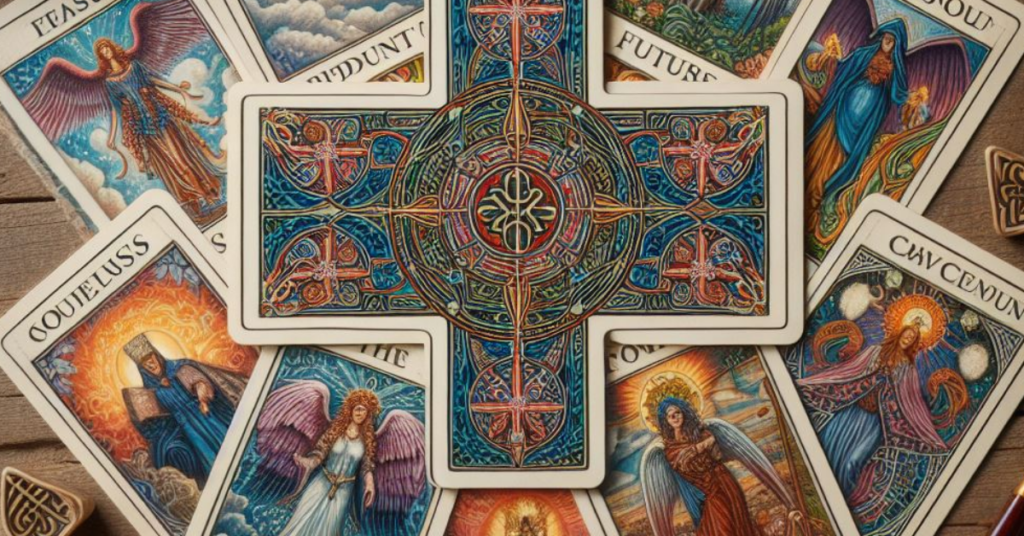
The journey of the Tarot begins deep in history, where its origins remain shrouded in mystery. Many believe that the Tarot emerged as a way of preserving ancient knowledge through symbols and images, serving both for divination and meditation.
The truth is that no one knows for sure when or where the Tarot was created., but it is widely accepted that its roots lie in the culture of Ancient Egypt, the mystical tradition of the gypsies or even medieval Europe. Each Tarot card is a world in itself, full of symbolism and deep meanings.
The beauty of Tarot lies in its ability to mirror the complexity of the human experience, offering unique insights and perspectives to those seeking to better understand their path in life.
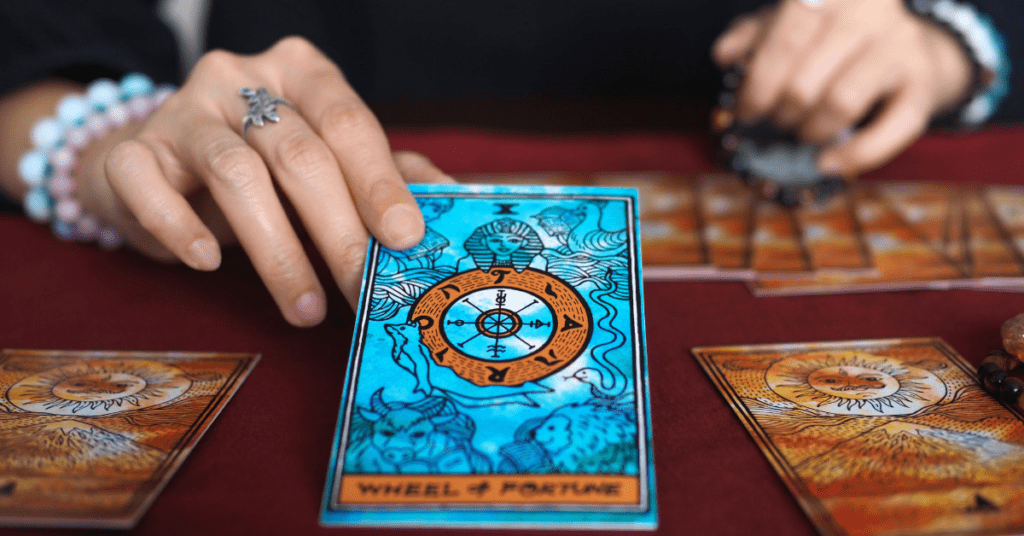
Interpreting Tarot cards is an art that requires both knowledge and intuition. Each card has its own meaning, which can vary depending on the context of the question and the arrangement of the other cards in the reading. It is essential to understand the symbolism of each card to be able to extract the deeper messages they have to offer.
Tarot reading is not an exact science, but as we said before, it is not dangerous! Each reading is unique and reflects the present moment of the client.
Here is a basic list of steps for interpreting the cards:
Remembering that practice makes perfect is crucial. The more you practice, the more refined your ability to interpret the cards accurately and meaningfully becomes.
The relationship between Tarot and intuition is fundamental. When you read the cards, it’s not just about interpreting the symbols and images, but also about listening to what your intuition has to say. It is your intuition that guides your Tarot reading., transforming it into a unique and personal experience.
Intuition is like an internal compass that guides you when reading cards.
Here are some points to consider about intuition and Tarot:
Remember that practice makes perfect. The more familiar you become with the cards and listen to your intuition, the deeper your understanding of the Tarot and yourself will become.
Exploring your inner self with Tarot is a fascinating path that allows you to get to know yourself better. This practice can be a powerful tool for self-knowledge., helping you reflect on your life, desires and fears. It is not just about predicting the future, but about better understanding the present.
Tarot does not provide direct answers, but rather clues and insights that, if interpreted correctly, can guide you in the right direction.
As you embark on this journey, it’s important to keep an open mind and be prepared to face truths about yourself that you may not want to see. But remember, the goal is personal growth and a deeper understanding of who you are.
Curiosity is a natural impulse that leads us to explore the unknown, but there are times when it can give way to fear. When we start to rely too much on cards to make decisions in our lives, a feeling of insecurity and anxiety may arise. It is crucial to recognize this turning point to prevent the practice from becoming a source of stress rather than a tool for self-knowledge.
The key is to maintain a healthy balance between curiosity and dependence.
Here are some signs that curiosity may be turning into fear:
Recognizing these signs is the first step to regaining control and ensuring that your Tarot practice remains a positive and enriching experience.
The line between help and dependence when using Tarot can be a fine one. It is crucial to recognize when you are substituting self-reflection and personal decision-making for constant consultation of the charts.
Tarot is not dangerous, the danger lies in your expectations! Tarot should be a tool for self-knowledge, not a substitute for your ability to make decisions.
Tarot is only dangerous when the dependence with every decision, big or small, the permanent need for validation of letters. This behavior can limit the ability to live independently and confidently. Identifying this pattern is the first step in reestablishing a healthy balance between the help that Tarot can offer and personal independence.
Many people find Tarot to be a powerful tool for personal transformation and significant discoveries about themselves. Tarot can be a mirror of the soul, reflecting not only our deepest desires and fears, but also potential paths for our personal growth.
The key is to approach Tarot with an open mind and a willingness to learn more about yourself. In fact, tarot is not dangerous because it is not about predicting the future, but about better understanding the present and how we can influence our own path.
Not all experiences with Tarot are positive. Some people have gone through difficult times that left their mark. It is crucial to be aware that not everything revealed in the cards should be interpreted literally.
The key is to approach Tarot with an open mind, but also with a healthy amount of skepticism. One should not allow the card reading to completely dictate one’s life. It is important to remember that Tarot should serve as a tool for reflection, not as an absolute oracle.
Choosing a good tarot reader is a crucial step in ensuring a positive experience with Tarot. It's not just about finding someone with skills, but also to find a person with whom you feel comfortable and in tune. Here are some tips to help you in this choice:
It is essential that you feel comfortable sharing your questions and concerns with the tarot reader, thus creating an environment of mutual trust.
Remember, a good choice can transform your Tarot consultation in an enriching and enlightening experience.
Opting for an online Tarot reading has several advantages that cannot be ignored. Firstly, the convenience is undeniable. You can book a consultation at any time and from any place, without the need to travel. This is especially useful for those who have busy schedules or live in remote areas.
Privacy and anonymity are other strong points of online consultations. There is no need to worry about unwanted encounters or curious looks. Everything is done discreetly, ensuring the confidentiality of the information shared.
Here are some of the main advantages:
Opting for an online consultation can be an excellent way to explore Tarot while maintaining the comfort and privacy of your home.
The magic of a face-to-face Tarot consultation lies in the unique energy that is created between the person and the tarot reader. It is an experience that transcends the simple act of reading cards., involving a palpable energetic exchange and a deeper connection. One should consider the surrounding atmosphere, which often helps to relax and open up to the experience. However, since the pandemic, online consultation has become very familiar, also leading to a deep connection with the Tarot reader.
The choice between an in-person or online reading depends entirely on your personal preferences and what you are looking for in a Tarot experience. Both options have their merits, but in-person reading offers a dimension of interaction and energy that is difficult to replicate online.
Choosing between an online or in-person Tarot consultation depends on several personal factors. Convenience and privacy are crucial aspects to consider. An online consultation can be more accessible and discreet, allowing you to connect with a tarot reader from anywhere in the world, without leaving home. On the other hand, face-to-face consultation offers a more personal and direct experience, which can strengthen the connection between the client and the tarot reader.
To help you decide, here are some points to consider:
It is necessary to listen to your intuition and choose the type of consultation that resonates most with you, thus ensuring a more enriching and personalized experience.
The question that often arises is whether Tarot is really dangerous. The short answer is: it depends on how you approach and use this tool. Tarot, in itself, is not dangerous, but how you interpret and act on your readings can have significant implications.
Tarot is a tool for reflection and not an absolute determinant of the future.
Here are some points to consider:
In short, Tarot can be a valuable tool for self-knowledge and reflection, as long as it is used responsibly and with discernment. The key is to approach it with an open mind and a balanced heart, avoiding dependencies and extreme interpretations.
Often, stereotypes and prejudices surrounding Tarot arise from a lack of knowledge or understanding about what it really is and how it works. It is crucial to open your mind and seek to understand better before forming an opinion.
It should be remembered that Tarot, like any other tool of introspection, offers perspectives and not absolute truths.
By demystifying fears and prejudices, space is opened for a richer and more enlightening experience with Tarot. The key is to approach it with respect, an open mind and without unrealistic expectations.
Approaching Tarot with an open mind and in a confident manner is essential for an enriching experience. Tarot should be seen as a tool for self-knowledge, and not as a source of absolute answers. It is important to remember that the cards reflect potentials and possibilities, not fixed destinies.
To get started safely, here are some steps to follow:
The key is to use the Tarot as a mirror of the soul, reflecting on the messages with introspection rather than as indisputable truths.
By following these steps, you will be able to approach Tarot in a way that enriches your journey of self-knowledge, remaining anchored in reality and open to exploring the unknown with curiosity and caution.
No, Tarot in itself is not dangerous. It is a tool for introspection and self-knowledge. The perception of danger can arise from misinterpretations or irresponsible use of the information obtained in readings.
It is important to look for professionals with good references, proven experience and that convey trust. Empathy between the tarot reader and the client is also essential for a good reading.
Yes, the effectiveness of Tarot does not depend on the type of consultation. What matters is the connection that the tarot reader has with the cards, as well as the openness of the client to receive the messages.
Yes, there are several types of Tarot decks, such as the Tarot of Marseille, the Gypsy Tarot, among others. Each one has its own particularities and symbolism, but all can be used for guidance and self-knowledge.
Tarot is not dangerous because it does not predict the future in a deterministic way.. It offers perspectives and possibilities based on the current situation and the energies around it. The cards can help you reflect on the present and guide future choices.
It is not necessary to have a special gift, but it is important to study and practice. Intuition and sensitivity to interpret the messages of the cards can be developed with time and experience.